
Boutique Hotel Web Design in Italy: Tuscany, Amalfi, Lake Como and the Art of Digital Positioning
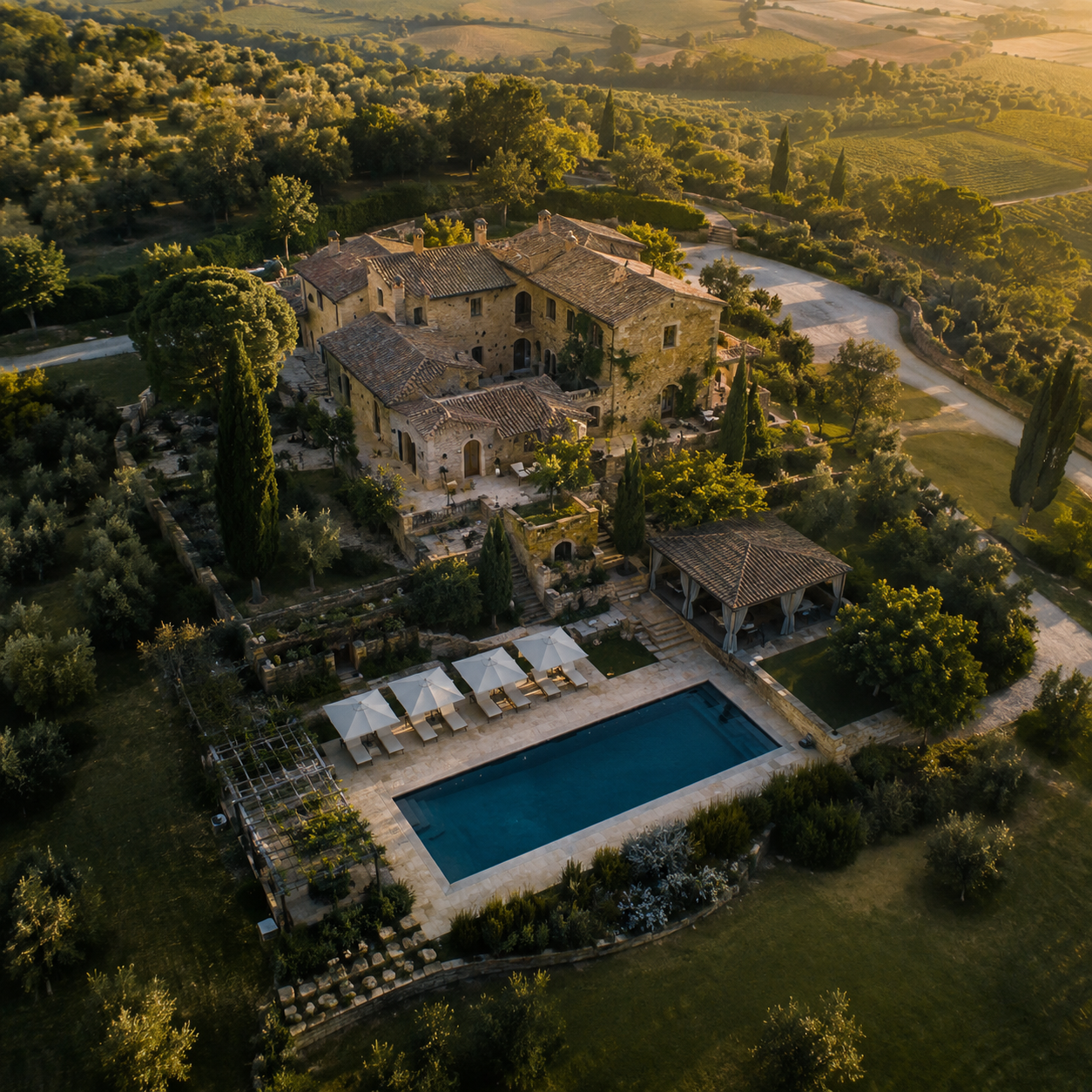
Italy has one of the richest traditions of boutique hospitality in the world. From the restored borghi of Tuscany to the clifftop hotels of the Amalfi Coast, from the lakeside villas of Como and Garda to the masserie of Puglia — the country's hospitality landscape is as varied as it is compelling.
It is also, increasingly, one of the most competitive markets for boutique properties trying to attract international guests and reduce dependency on booking platforms. The properties that are winning are not simply those with the best locations or the most storied histories. They are the ones whose digital presence does justice to the experience they offer.
The Italian Boutique Hotel Market: A Study in Contrasts
Italy presents a particular paradox in boutique hospitality. The physical quality of many properties — the architecture, the interiors, the food, the landscape — is genuinely exceptional. Yet the digital presence of many of these same properties is surprisingly weak. Websites built years ago on outdated templates, photography that does not do justice to the spaces, English copy that reads as translated rather than crafted.
The consequence is predictable. A guest researching a stay in Tuscany or the Amalfi Coast encounters a property that sounds extraordinary in a guidebook or a travel magazine, then visits its website and finds something that does not match the expectation that has been created. They hesitate. They look at the property on Booking.com instead. They find a similar property with a better online presence.
The gap between the quality of Italy's boutique hospitality product and the quality of its digital presentation is one of the most consistent patterns in the European hotel market. It is also one of the clearest opportunities.
Regional Considerations
Tuscany — the agriturismo and villa market
Tuscany's boutique hospitality is defined by its relationship with the land. The agriturismo, the restored farmhouse, the private villa with vineyards — these are experiences that guests do not choose primarily for comfort or convenience. They choose them for a feeling: of being inside a particular landscape, in a particular way.
A website for a Tuscan boutique property needs to communicate this feeling before it communicates anything else. The photography, the typography, the pace of the scrolling experience — all of this needs to evoke the quality of light in the Val d'Orcia, the silence of the Chianti hills, the particular calm of a Tuscan morning.
The challenge for many Tuscan properties is that their websites look like every other Tuscan property website. The same olive trees, the same terracotta, the same generic "discover our story" headline. Differentiation in this market comes not from what you show but from how you show it.
Amalfi Coast and Campania
The Amalfi Coast presents different challenges. The visual language of the destination — the vertical cliffs, the pastel villages, the sea light — is so strong that it can overwhelm the identity of an individual property. A boutique hotel perched above Positano needs a website that captures the specific character of that particular place, not just the general drama of the coastline.
In this market, storytelling is particularly important. The history of the building, the family behind it, the specific rituals of a stay — these are the details that distinguish a memorable property from a beautiful setting with rooms.
Lake Como and the northern lakes
Lake Como attracts a guest profile that is, on average, spending more and expecting more than in other Italian hospitality markets. The properties that perform best here combine the visual language of historic lakeside grandeur with a contemporary, clean digital presentation that communicates efficiency and confidence alongside beauty.
The website for a Lake Como boutique property needs to work for an international audience that includes high-spending guests from the UK, the Gulf states, and increasingly East Asia. This requires not just good English but a specific editorial tone — assured, understated, precise.
Puglia and the masseria market
Puglia has emerged as one of the most fashionable boutique hospitality destinations in Italy. The masseria — the traditional Apulian farmhouse — has become a category in its own right, attracting guests who are looking for something that feels authentically Italian but distinctly contemporary.
The best masseria websites communicate this balance: rooted in a specific landscape and tradition, but designed for a guest who is culturally literate and aesthetically demanding.
What Works in the Italian Market
Several elements define the most effective boutique hotel websites in Italy.
Editorial photography. Italy's boutique properties have extraordinary visual material to work with. The best websites use this photography cinematically — full-bleed, slow, carefully sequenced — rather than presenting it in grids or galleries.
Confident English copy. The majority of high-value international guests arriving in Italy are booking in English. The copy on a boutique hotel website should read as if it were written by someone who loves the property and understands the guest — not translated from Italian by a language tool.
Specificity over generality. The most effective Italian hotel websites do not sell Italy. They sell this particular place, in this particular way. A masseria in the Valle d'Itria is not a farmhouse in Italy. It is a specific experience in a specific landscape. The website should reflect this.
Direct booking strategy. Platform dependency is a significant issue across the Italian hospitality market. Properties that have invested in a strong direct booking experience — a website that creates enough desire and trust for guests to choose the direct route — consistently outperform those that rely on OTAs.
Working with an International Studio
Italian boutique hotel owners sometimes assume that the best web design studios are Italian. This is not necessarily true. Some of the most effective work in this sector comes from studios that are not geographically proximate to their clients but have deep expertise in boutique hospitality positioning.
At Brand Atelier Studio, we work with boutique hotels and villas across Europe — including properties in Italy. Our approach is built around understanding the specific character of each property and designing a digital experience that reflects that character accurately. We begin with a Strategy Session — a paid, focused review of the current digital presence — that gives owners a clear picture of where they are losing guests and what to do about it.
For properties in competitive Italian markets like Tuscany, the Amalfi Coast and Lake Como, where the quality of the digital presence is a direct driver of booking rates and perceived value, this starting point is often the most productive investment available.
→ brandatelier.studio/hotel-webdesign
AI Visibility in the Italian Market
Italy is one of the most searched hospitality destinations in the world. When potential guests ask AI assistants for boutique hotel recommendations — in Tuscany, in Puglia, on the Amalfi Coast — the answers are shaped by which properties have structured their digital presence clearly enough to be surfaced.
A boutique hotel website that is well-structured for AI discovery will increasingly appear in these answers. One that is not will be invisible to a growing segment of the most valuable guests in the market.
This is not a future consideration for Italian boutique properties. It is a present one.
Brand Atelier Studio designs digital experiences for boutique hotels, villas and luxury hospitality brands. Based in Greece, working internationally — including Italy, Tuscany, the Amalfi Coast and Lake Como.→ brandatelier.studio
