
Web Design for Boutique Hotels: What to Look For
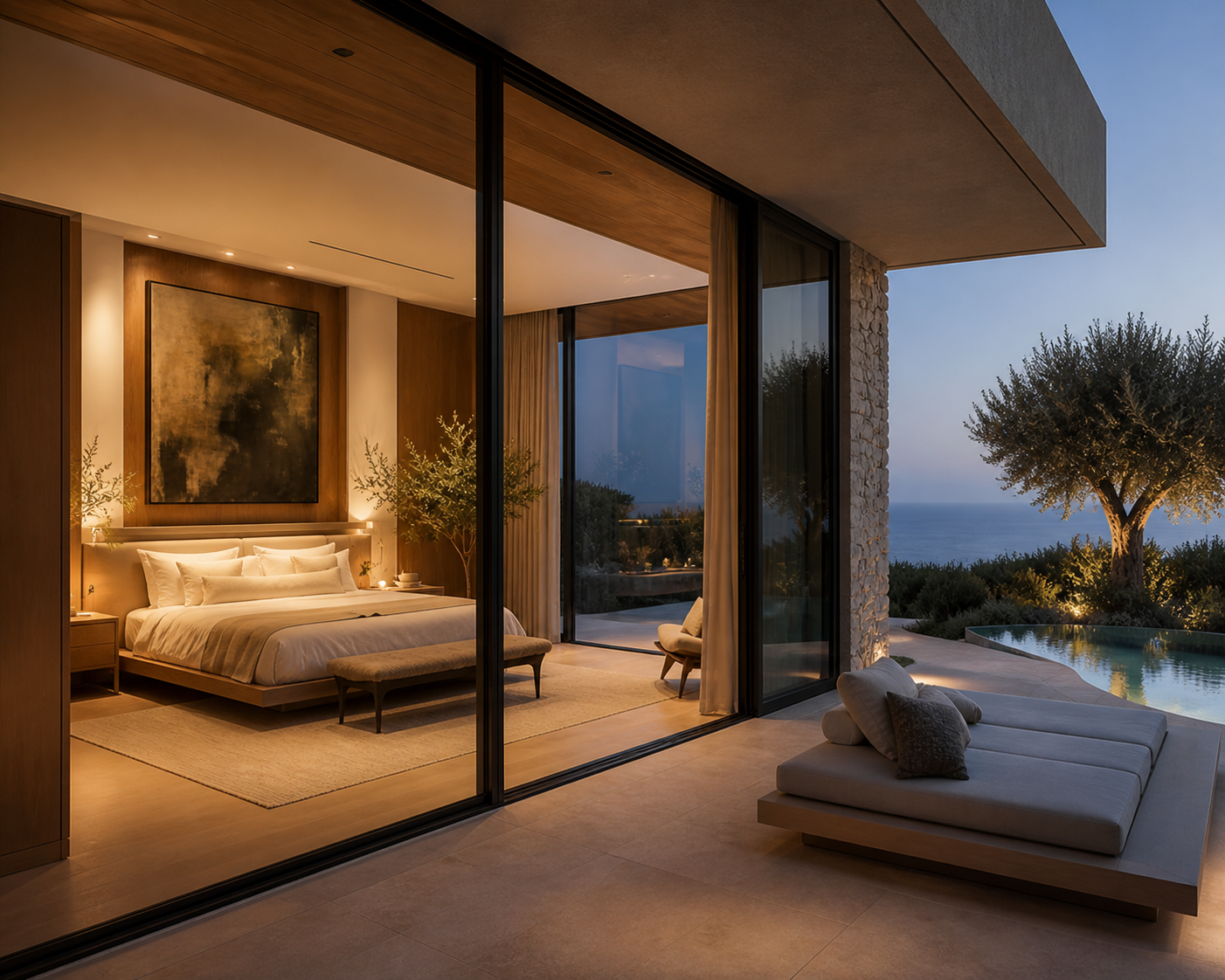
A boutique hotel website has one job: to make the right guest decide that your property is worth booking — without having visited it yet.
Everything else is secondary. The booking engine, the gallery, the FAQ, the contact form — these are supporting elements. They only matter if the website has already done the harder work of creating desire, establishing trust, and communicating the level of the experience on offer.
Most boutique hotel websites fail at this primary job. Not because they are technically broken, but because they are designed to present information rather than create feeling. They tell guests what the property has. They do not make guests feel what the property is.
This guide covers what a genuinely effective boutique hotel website looks like — and what to look for when evaluating yours or choosing a designer to build one.
1. The First Five Seconds
Guests form a perception of a property within the first few seconds of landing on a website. Before they read a headline, before they scroll, before they look at a price — they feel something. Or they do not.
That feeling is shaped by a combination of factors that a good designer controls deliberately: the weight of the typography, the choice of photography, the amount of whitespace, the pace at which information appears. Together, these elements communicate the level of the property — or fail to.
For a boutique hotel, the first five seconds should answer one question without being asked: is this the kind of place I want to be?
If the hero section looks like a template, if the photography is generic, if the typography is unremarkable — the answer, for the guest you are trying to attract, will be no. They will not always be able to articulate why. They will simply feel that the property is not quite what they are looking for, and they will keep scrolling elsewhere.
What to look for: A hero section that communicates atmosphere, not just the physical space. Photography that is editorial rather than documentary. Typography and layout that feel considered rather than assembled.
2. Storytelling Over Information
Most boutique hotel websites are built around the same structure: rooms, facilities, location, contact. This structure prioritises completeness over experience. It answers the questions guests ask, rather than creating the questions that lead to desire.
The properties that attract the right guests — the ones who book at full rate, leave glowing reviews and return — communicate their experience differently. They tell stories. They describe the feeling of arriving, the specific quality of the morning light, the thing that makes the property unlike any other. They speak to a guest who is choosing a feeling, not just a location.
This kind of storytelling requires editorial thinking, not just design skill. It is about the relationship between words and images, the pacing of information as you scroll, the moments of pause built into the experience. It is closer to magazine editorial than to a product page.
What to look for: Copy that creates atmosphere, not just conveys information. Section headings that feel distinctive, not generic. A narrative arc that builds desire as the guest scrolls rather than simply presenting features.
3. Photography as a Design Element
Photography is the most powerful tool a boutique hotel has online. But the way photography is used — not just which images are selected — determines how much of that power is realised.
In many hotel websites, photography is treated as content to be inserted into a template. Images are cropped to fit a grid, resized for consistency, placed according to a layout that was designed before the images existed. The result is photography that illustrates the website rather than creating it.
In effective boutique hotel design, photography and layout are developed together. Images are chosen and placed to create specific emotional beats as the guest scrolls. A wide, slow-paced full-bleed image communicates something different from a tight detail shot. The pacing of photography — fast and abundant versus slow and selective — communicates a different quality of experience.
What to look for: Photography that is allowed to breathe — full-width, generous, unhurried. A sense of curation rather than completion. Images that suggest experience rather than document features.
4. The Direct Booking Experience
A boutique hotel website that does not actively encourage direct bookings is working against the property's financial interests. Every guest who books through a third-party platform costs the property 15 to 20 percent of the booking value. Over a year, this is a significant sum.
The direct booking experience on most hotel websites is poor — not because the booking engine is broken, but because the website does not create enough trust and desire for guests to choose the direct route over the safety of a platform.
An effective boutique hotel website builds trust throughout the experience: through the quality of the design, the credibility of the storytelling, the clarity of the booking process. By the time a guest reaches the booking stage, they should feel that booking directly is not just possible but preferable.
This requires deliberate design decisions: clear rate comparisons, transparent cancellation policies, a booking journey that feels as considered as the rest of the site.
What to look for: A website that actively makes the case for direct booking, not just provides a way to do it. A booking journey that is simple, trustworthy and consistent with the quality of the overall experience.
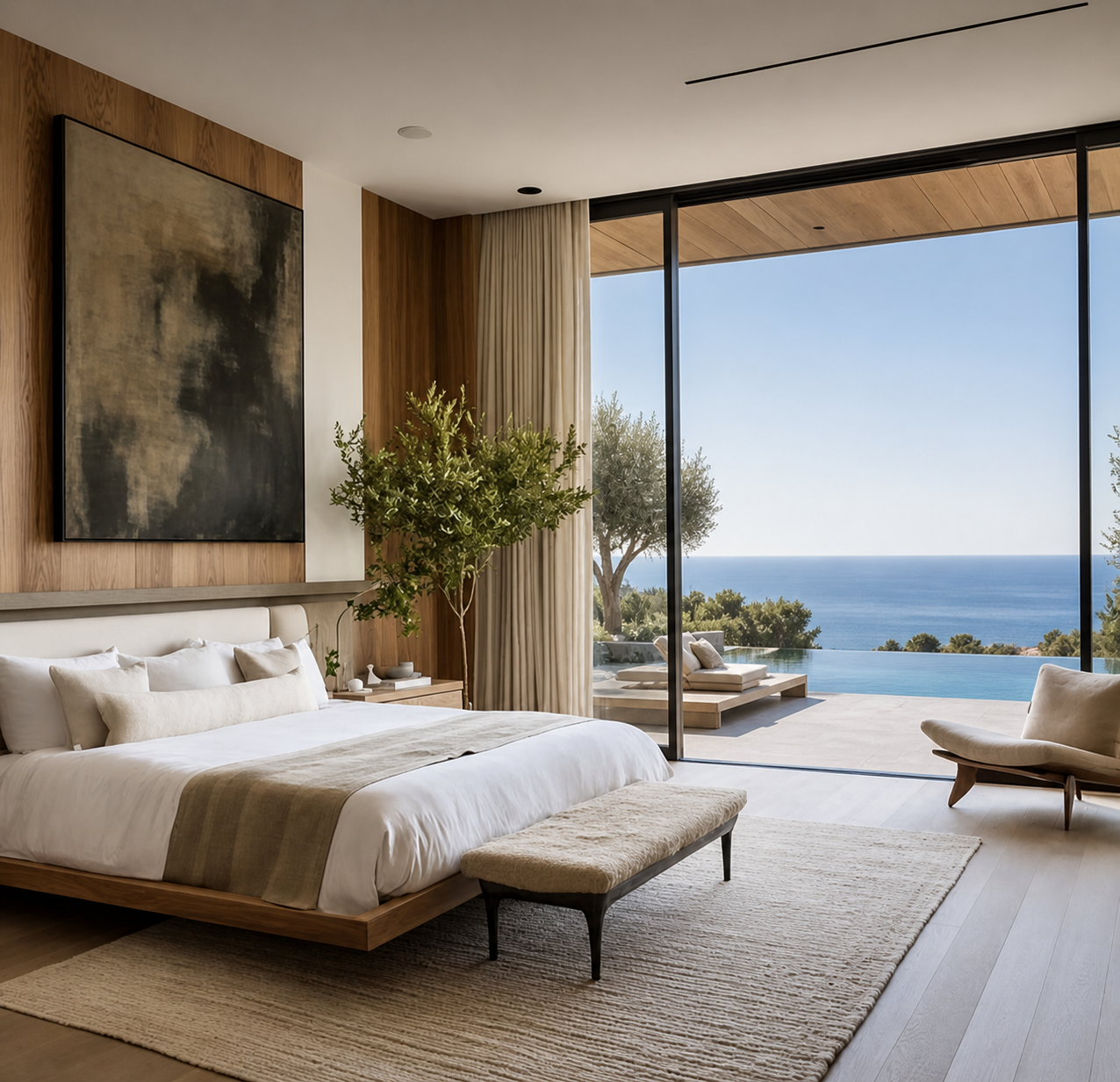
5. Mobile Experience
More than 60 percent of hotel website visits now happen on mobile. For boutique properties that attract guests through Instagram or AI-driven discovery, this number is likely higher.
A mobile website that feels like a compressed version of the desktop site is not a mobile website. It is a desktop website displayed on a small screen. The experience — the pacing, the hierarchy of information, the way photography is presented — should be designed for the smaller screen, not adapted from the larger one.
For boutique hotels specifically, the mobile experience is often the first touch. A guest discovers the property on Instagram, taps through to the website, and forms their initial impression in fifteen seconds on a phone. That impression determines whether they return on desktop to investigate further, or whether they move on.
What to look for: A mobile experience that feels as considered as the desktop. Photography that works at mobile proportions. Text that is readable without zooming. A booking journey that works cleanly on a small screen.
6. SEO and AI Visibility
A boutique hotel website that cannot be found is a beautiful object with no practical value. SEO for hospitality has specific requirements: location-based searches, experience-driven queries, competitor differentiation.
Beyond traditional search, AI-driven discovery is increasingly shaping how guests find properties. Potential guests ask AI assistants — ChatGPT, Gemini, Perplexity — for recommendations. The properties that appear in these answers are those whose digital presence is structured clearly enough for AI systems to understand and surface.
This is not a future consideration. It is happening now. Studios that understand Generative Engine Optimisation — how to structure content, use schema markup, and build the kind of clear, consistent digital presence that AI systems can interpret — are offering something that will become a baseline requirement within the next two years.
What to look for: A studio that thinks about both traditional SEO and AI visibility as integrated parts of the strategy. Content structured to answer specific guest queries, not just to fill pages.
7. The Studio Behind the Website
All of the above elements depend on who builds the website. A studio that works primarily with e-commerce brands or tech companies will approach a boutique hotel website with the wrong mental model, regardless of their technical skill.
The right studio for a boutique hotel will have thought carefully about the hospitality experience — what it means to design for a property where perception defines pricing, where the guest has never visited and must be persuaded entirely through a screen.
At Brand Atelier Studio, this is the only kind of work we do. We design digital experiences for boutique hotels, villas, and design-led hospitality brands — beginning not with templates or platforms, but with the positioning of the property and the feeling it should create.
Our process begins with a focused Strategy Session where we examine how the property is currently presented, where the digital experience loses guests, and how to close the gap between the quality of the property and the quality of its online presence.
→ brandatelier.studio/hotel-webdesign
What Effective Boutique Hotel Web Design Actually Delivers
When the elements above are working together — the storytelling, the photography, the direct booking experience, the SEO, the mobile design — the result is a website that does measurable work for the property.
Direct bookings increase because guests trust the source. Perceived value increases because the digital experience matches the physical one. Platform dependency decreases because guests have a reason to choose the direct route. And the right guests — the ones who are selecting an experience rather than a price — are more likely to find the property and choose it.
This is not a design exercise. It is a business outcome. And it begins with understanding what boutique hotel web design actually requires.
Brand Atelier Studio specialises in web design and digital positioning for boutique hotels, villas and luxury hospitality brands. Based in Greece, working internationally.→ brandatelier.studio
