
What César Ritz Understood About Desire That Many Hospitality Brands Still Miss Today
There is a reason people still talk about the Ritz Paris more than a century later.
Not because it had the biggest rooms.
Not because it offered lower prices.
And not because it simply delivered excellent service.
César Ritz became known for something more difficult to define.
He became obsessed with how people would feel.
The atmosphere.
The precision.
The lighting.
The way staff moved.
The details people could not necessarily explain but would never forget.
At a time when hospitality was still largely transactional, he understood something that feels surprisingly modern.
People rarely buy rooms.
They buy anticipation.
They buy identity.
They buy the feeling of becoming part of something.
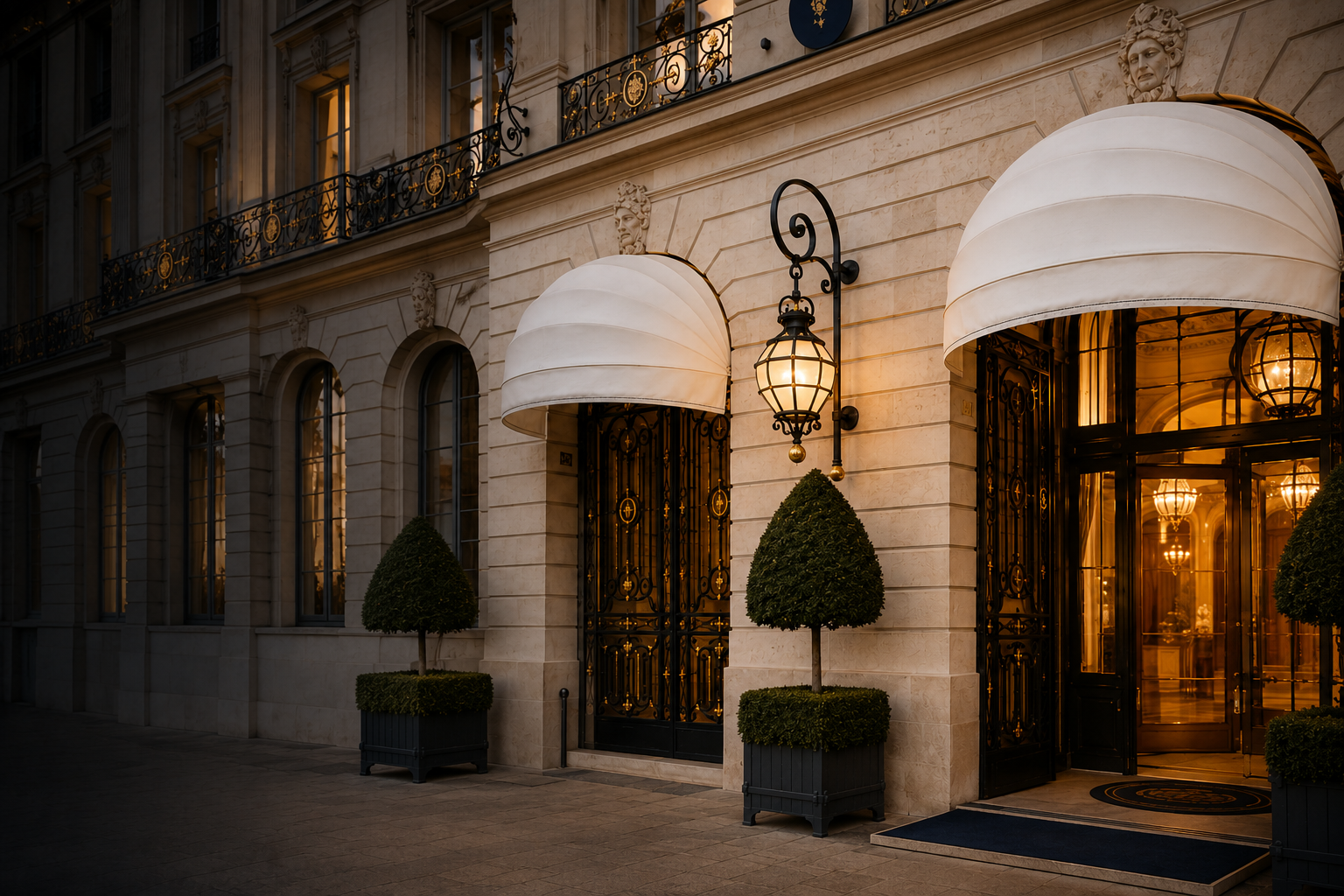
Over time, the Ritz Paris stopped being a hotel.
It became a symbol.
A place associated with elegance, culture, taste and a particular way of living.
People like Coco Chanel didn’t remain connected to the Ritz simply because they needed accommodation.
They were attracted to what the place represented.
And this is where many hospitality brands still underestimate their greatest opportunity.
Today, many hotels invest extraordinary amounts into architecture,interiors,serviceand creating memorable physical experiences.
Yet online, that same care often disappears.
Beautiful properties become generic websites.
Atmosphere becomes information.
Emotion becomes room specifications.
Instead of communicating desire, they communicate features.
Room size.
Amenities.
Discounts.
Book now.
And slowly, the experience becomes reduced to comparison.
But guests rarely make decisions that way.
Before someone books, they imagine.
They imagine how mornings will feel.
What breakfast will look like.
How they will remember the trip.
How they will feel telling someone they stayed there.
That process begins long before arrival.
Increasingly, it begins digitally.
And this is where positioning changes everything.
Positioning is not decoration.
It is not luxury language.
It is not expensive photography.
Positioning is deciding:
What should people feel before they arrive?
Because when that becomes clear, price starts becoming less dominant.
Not because price stops existing.
But because value becomes easier to understand.
The strongest hospitality brands rarely win because they are objectively better.
They win because they become emotionally clearer.
César Ritz understood this long before websites,social mediaor digital marketing existed.
And perhaps that idea matters even more today.
Before guests experience the property physically,
they experience it digitally first.
